Rust Harbor Guys Solo Survival Run
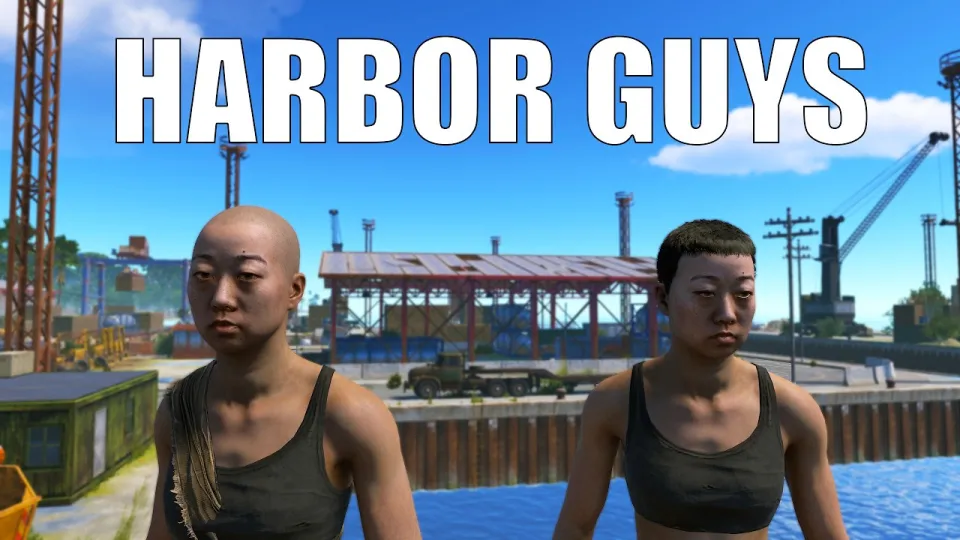
Video: harbor guys
You can order the same kind of articles for your own video to boost it on YouTube and Google. Just message the Telegram bot @sat_sit_bot. It writes articles around your video, embeds the video and publishes them on popular niche websites (no ads). Free trial — 50 articles.
Key takeaways
- The video is a three-hour solo Rust session built around controlling the harbor area rather than a clan war wipe.
- The run produced four kills and one completed harbor jump, per the most-liked summary comment.
- The parkour attempt on a harbor building reportedly took about an hour before it succeeded.
- Editing and music cues were handled by dinkbot, whose fake-out music drops fans singled out.
- Factor promo code SPOONKIDFB50 gives 50% off a first box plus free breakfast for a year via the link in the description.
Rust harbor guys is the premise of a solo survival run in which a player claims the harbor as home turf instead of chasing a clan wipe. In the spoonkid2 video of that name, the harbor becomes the whole plan: looting the docks, fighting whoever shows up, and spending a remarkable amount of time trying to jump onto a building. It is Rust played as a hangout, not a grind.
What the harbor guys run actually is
The harbor is a coastal monument in Rust, and holding it as a solo means fighting for a small, exposed piece of real estate. The run follows a simple loop: spawn, get a weapon, move into the harbor, and stay there long enough that the location becomes an identity. The video title is the joke and the thesis at once — the players are not a clan, they are harbor guys.
The pace is deliberately unhurried. Viewers summarized the whole session as four kills, one harbor jump and three hours of runtime, which is a fair description of a video where the social banter carries as much weight as the PvP. There is cargo talk, food talk and a running bit about a player's body being disposed of in the ocean, all delivered with the deadpan logic of people who have decided the harbor is home.
If you want to support the channel while watching this kind of content, the Factor discount link gives 50% off your first box plus free breakfast for a year with code SPOONKIDFB50.
The harbor jump and why it took an hour
One jump onto a harbor structure consumed roughly an hour of the session, and that is the emotional center of the video. In Rust, movement is unforgiving: a missed crouch-jump, a bad angle or a slightly wrong run-up drops you off the geometry, and the harbor's crates, cranes and container stacks are full of edges that look climbable and are not.
The attempt works as a microcosm of Rust itself. You fail the same input dozens of times, adjust your approach, and then it clicks — and the payoff is nothing but standing somewhere you were not supposed to stand. The editing leans into it with music cues that build as if something huge is about to happen and then cut away, a trick viewers noticed and praised.
If you want to recreate the challenge, the practical checklist is:
- Find a low container or crate that gets you to the first ledge without sprinting.
- Jump while crouched at the last moment to clear the lip.
- Practice the run-up angle before you carry loot, because falling costs time, not just pride.
- Expect to fail repeatedly; the harbor geometry rewards patience over speed.
PvP, cargo and the loot economy of a harbor base
A harbor base gives a solo player two things: a steady supply of crates and components, and constant traffic from other players doing the same thing. That traffic is the content. Four kills across a three-hour session is not a kill-fest, but each fight at a monument carries real stakes because you are defending the place you sleep.
Cargo ships sit in the same mental category for this style of play. A cargo run is a high-risk, high-reward trip that demands a boat, fuel, time and the willingness to be ambushed by a bigger group. The running joke in the community is that these players talk about cargo far more than they complete it, and this video fits that pattern — the harbor, not the cargo deck, is where the action actually happens.
For a solo player, the harbor loop looks like this:
- Loot the monument crates early, when the server is quiet.
- Keep a small, cheap base nearby rather than a compound that screams loot.
- Bank components often; every death at the harbor is a tax on your progress.
- Treat cargo as an optional expedition, not a plan you build the wipe around.
The editing and music that carry the video
A three-hour Rust video lives or dies on its edit, and this one is cut by dinkbot, who also appears as the co-host voice throughout. The music choices do the heavy lifting: fake-outs before anticlimactic moments, dramatic swells under trivial events, and long stretches where the commentary is just two friends talking.
The audience response makes the point clearly. Many of the top comments are about the editing and the chemistry rather than the kills, and several viewers asked for even longer cuts of the same style of run. That is unusual for Rust content, where highlight reels usually dominate. Here the appeal is the hangout: two people playing a survival game badly on purpose and enjoying it.
Links from the video
- Factor discount with code SPOONKIDFB50: https://bit.ly/4llfc7n
- Monke Clothing store: https://monke.clothing
- Spoonkid Rust servers Discord: https://discord.gg/spoonkidrust
- Monke Clothing on Instagram: https://www.instagram.com/monkeclothing/
- Monke Clothing on Twitter: https://twitter.com/monkeclothing
Common questions about harbor gameplay in Rust
Newer players often wonder whether a monument base is viable without a group, how much time a harbor jump realistically takes, and why anyone would build next to one of the most contested loot spots on the map. The short answers: yes, if you keep the base small and cheap; longer than you think, because the geometry is fussy; and because contested loot is exactly where fights and content come from. The video is a demonstration of the trade-off rather than an argument against it — you get fewer quiet farming hours and far more stories.
Final thoughts on the harbor guys run
The harbor guys video works because it refuses to pretend that Rust is only about winning. A solo player who spends an hour on a single jump, gets four kills in three hours and still calls the wipe a success is playing the game the way most people actually play it. The spoonkid2 channel is the author of this breakdown, with dinkbot handling the edit and the music that give the session its shape.
If you take one thing from the run, make it the mindset: pick a place, claim it, and let the fights come to you. And if you want to back the channel while you are at it, use the 50% off Factor box link with code SPOONKIDFB50 to get free breakfast for a year.
Questions & answers
Is a harbor base viable for a solo player in Rust?
Yes, as long as you keep it small and cheap. The harbor offers steady crates and components, but it also draws constant traffic, so a solo player should bank loot often and avoid building a large compound next to the monument. The trade-off is more fights and less quiet farming.
How long does the harbor jump in the video take to land?
Viewers summarized the session as one harbor jump completed across a three-hour run, and the attempts themselves reportedly consumed about an hour. The difficulty comes from the harbor's container and ledge geometry, where a slightly wrong run-up or crouch timing drops you off the structure.
Do you need a group to do cargo runs in Rust?
Cargo is far safer with a group, but a solo player can attempt it with a boat, fuel and patience. The risk is being ambushed by a larger team while boarding, which is why many solo players treat cargo as an occasional expedition rather than the core of a wipe.
Why do people watch three-hour Rust videos instead of highlight reels?
The appeal is the commentary and the editing rather than constant action. In this video the music cues, the fake-outs and the back-and-forth between the two hosts carry the runtime, and many viewers asked for even longer cuts of the same format.
Source: harbor guys · Markdown version